
The evolution of gambling: From ancient games to modern casinos
The Origins of Gambling
The history of gambling stretches back thousands of years, with its roots found in ancient civilizations. Evidence suggests that people have participated in games of chance and wagering ever since humanity began forming communities. From the dice made of bones in ancient Mesopotamia to the betting on chariot races in ancient Rome, gambling has long been an integral part of human culture.
Archaeological findings in China date back to around 2300 B.C., where it is believed that rudimentary forms of gambling were practiced. These early games laid the foundation for today’s complex gambling institutions. To explore here the various forms that gambling took in these times, one can see that betting was not limited to traditional games; even activities like hunting became a basis for gambling as communities wagered on outcomes.

The Development of Gambling Through the Ages
As societies advanced, so did the nature of gambling. In medieval Europe, for instance, card games became increasingly popular. These games formed the basis for many of the card games we still enjoy today. The invention of playing cards in the 14th century transformed the gambling landscape, making it accessible to a broader audience.
The Renaissance era marked a turning point as gambling gained a more sophisticated reputation. The establishment of gaming houses and lotteries during this period further legitimized gambling as a form of entertainment. Governments began to regulate these activities, often using the proceeds for public endeavors, thus intertwining gambling with social responsibility.
The 17th and 18th centuries heralded the emergence of the first official casinos. The “Casino di Venezia,” established in Venice in 1638, is recognized as one of the first establishments dedicated solely to gambling. These early casinos not only provided an array of games but also offered a social environment where aristocrats could mingle. The opulence within these venues established a link between gambling and luxury.
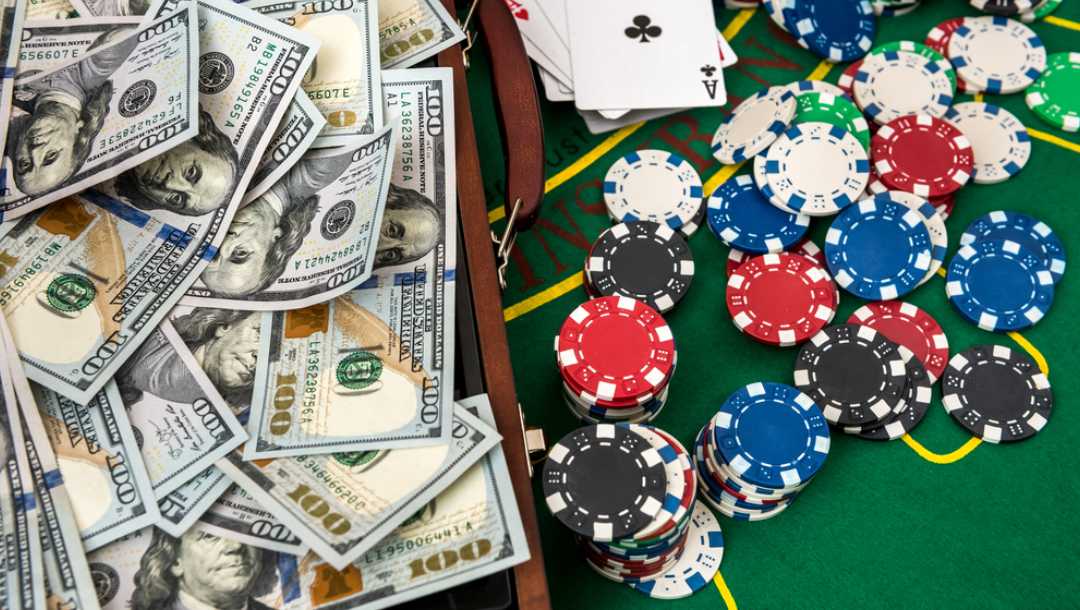
The expansion of gambling into the Americas in the 19th century introduced new games, such as poker and blackjack. The development of riverboat casinos during this time allowed gambling to thrive in a unique manner, melding leisure and travel. As the American dream took shape, casinos became a symbol of excitement and adventure, especially during the Gold Rush and the establishment of Las Vegas.
Modern Gambling and Technology
The turn of the 21st century brought about a radical evolution in gambling, primarily driven by technology. Online casinos have revolutionized the gambling experience, making it more accessible than ever. Gamblers can now play their favorite games from the comfort of their homes, breaking geographical barriers and opening up a global market.
Mobile technology has further transformed this landscape. With smartphones in hand, players are now able to gamble anytime and anywhere, leading to a significant increase in participation rates. Modern gambling is characterized by the integration of high-tech graphics, live dealers, and secure payment methods, ensuring a safe and immersive experience for players.
Discover More About Gambling Online
If you are intrigued by the evolution of gambling and its multifaceted journey through history, there’s a wealth of information available online. Resources covering everything from ancient games to contemporary casinos can enhance your understanding of this fascinating subject.
For detailed insights and experiences related to gambling, including various online opportunities, you are encouraged to explore dedicated platforms. These can provide you with firsthand knowledge and opportunities to engage with the world of gambling like never before.